Circuit Breakers & RCDs for Production Electrical Safety
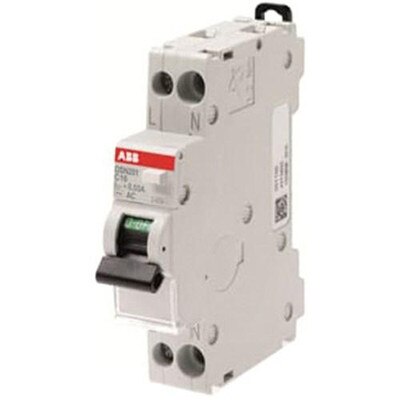
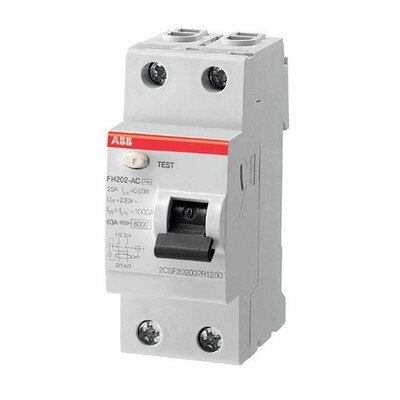
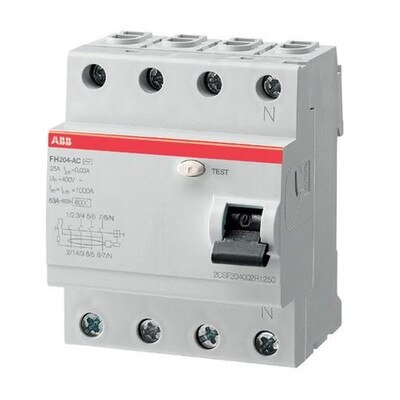
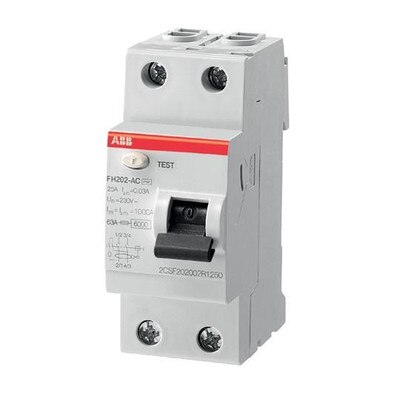
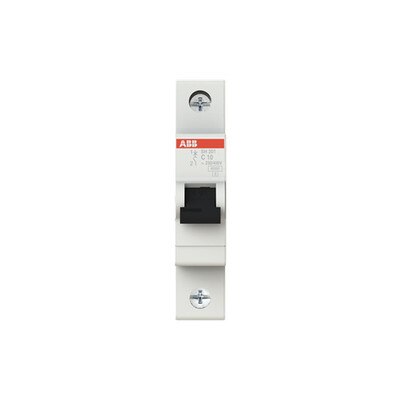
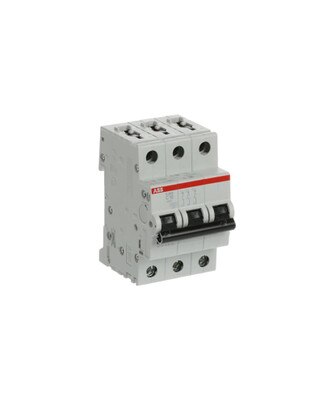
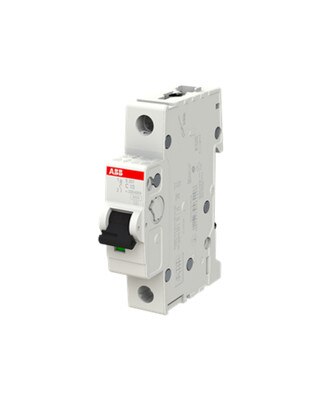
Reliable electrical protection is paramount in demanding production environments, safeguarding both personnel and valuable equipment. This category features a selection of circuit breakers, residual current devices (RCDs), and residual current breakers with overcurrent protection (RCBOs) engineered for the rigorous demands of AV, theatre, and live event applications. Solutions from industry leaders like ABB and Schneider Electric provide essential defence against overloads, short circuits, and earth leakage faults. Theatre technicians, AV engineers, production managers, and riggers rely on these components to maintain stable and safe power distribution. The range includes ABB S MCB and SH MCB miniature circuit breakers, available in 1P and 3P configurations with C-curve tripping characteristics and breaking capacities up to 6kA. Schneider Electric offers Acti9 iC60L and C120N MCBs, featuring higher breaking capacities up to 20kA and 10kA respectively, alongside their Resi9 series for diverse protection needs. For critical earth leakage protection, ABB FH202A and FH204A series RCCBs are available in 2-pole and 4-pole configurations with 30mA Type A sensitivity. Schneider Electric provides similar A-Type RCCBs such as the Acti9 IID, including specialised Type-B RCDs for EV chargers, ensuring comprehensive safety across various electrical loads. Integrated protection is offered through RCBOs like the ABB DSN201 single module units and Schneider Electric Acti9 iSPN Vigi and Resi9 series, combining overcurrent and residual current protection in a single device. Main switches from ABB and Schneider Electric Domae are also available in 1-pole, 2-pole, and 3-pole options, providing robust isolation points for entire systems. These components are designed for DIN rail mounting, facilitating straightforward integration into switchboards and power distribution units commonly used in professional production setups. The technical specifications, including rated currents, breaking capacities, and tripping curves, allow for precise selection to meet specific installation requirements and compliance standards.
Narrow By
23 Products
23 Products


_1.jpg?resizeid=2&resizeh=400&resizew=400)
_1.jpg?resizeid=2&resizeh=400&resizew=400)